
Review of the Top Switchboard Manufacturers – Electronic Power Design
Inside Look: The Top Switchboard Manufacturers Worldwide
Switchboard manufacturers play a critical role in the construction and maintenance of electrical systems that power our modern world. As a leading electrical manufacturer, Electronic Power Design (EPD) offers electrical engineers and contractors an in-depth exploration of the switchboard manufacturing industry in this comprehensive resource. Our primary goal is to help readers, regardless of their technical background, understand the essentials of switchboards and enable them to make informed decisions when selecting the right manufacturer to suit their organization's specific power distribution needs.
Switchboards are central to managing the flow of electricity through multiple circuits, protecting machines, and optimizing energy usage in commercial, healthcare, and industrial buildings. Whether you are involved in building switchboards for hospitals, factories, or commercial spaces, understanding the capabilities and expertise of switchboard manufacturers is key to ensuring safety, reliability, and efficiency in your power systems.
Table of Contents:
Understanding Switchboard Manufacturing
- Top Global Switchboard Manufacturers
- Electronic Power Design (EPD)
- Schneider Electric
- ABB Ltd.
- Eaton Corporation
- Siemens AG
- Factors to Consider When Choosing a Switchboard Manufacturer
- Product Quality
- Pricing and Cost-effectiveness
- Dedicated Customer Service
- Fulfillment Speed
- Innovation and Technological Adaptation
- Technological Innovations in Switchboard Manufacturing
- Digitalization Taking Center Stage
- Automation Enhancing Efficiency
- Sustainability Through Innovation
- The Internet of Things (IoT) Changing the Game
- Regulatory Standards for Switchboard Manufacturers
- The Role of UL Standards
- NFPA 70: The National Electrical Code
- Ongoing Compliance Is Key
- Impact of Sustainability on Switchboard Manufacturing
- The Future of Sustainable Switchboards?
- Energy Efficiency: A Key Player
- Future Trends in Switchboard Manufacturing
- Increased Automation
- Digitalization
- Sustainability
- Growth in Custom Solutions
- Emergence of Smart Switchboards
- Challenges Faced by Switchboard Manufacturers
- Tough Market Competition
- Evolving Technological Landscape
- Navigating Regulatory Compliance
- Sustainability Pressures
- Switchboard Manufacturing FAQs
- What Does a Switchboard Builder Do?
- How Much Does a Switchboard Panel Cost?
- What Is the Difference between a Switchboard and a Panel Board?
- What Are Main Switchboards?
- Conclusion
Understanding Switchboard Manufacturing
Switchboards are a fundamental part of modern electrical infrastructure, providing centralized control and safe distribution of power across multiple circuits. They serve as the core hubs of an electrical system, directing electricity efficiently to different areas within a building, facility, or industrial site.
The manufacturing process for switchboards requires a combination of precise engineering, advanced materials, and modern production technology. Each unit is carefully designed and tested to meet strict performance requirements and comply with international industry standards, ensuring both safety and long-term reliability.
The manufacturing process generally consists of four key stages:
- Design and Planning: This initial phase involves defining the technical specifications such as voltage levels, current ratings, and circuit configurations based on the client’s requirements. Leading switchboard manufacturers utilize state-of-the-art CAD software to create precise designs that optimize power flow and protection.
- Fabrication: During fabrication, high-quality materials such as copper or aluminum are used to construct busbars and other conductive components. These materials are crucial for ensuring low voltage switchboards and medium voltage units can handle the electrical load reliably.
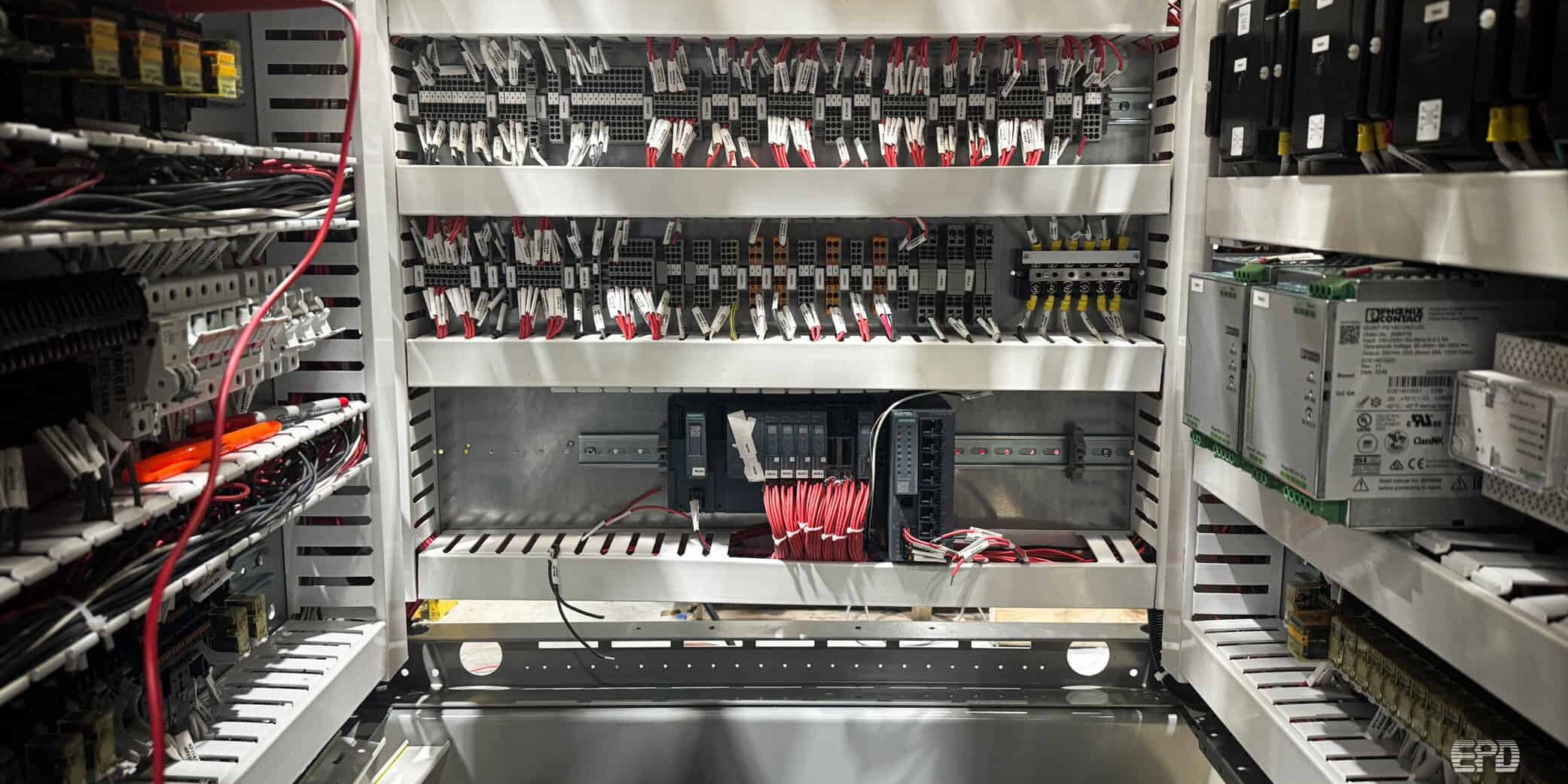
- Assembly: The assembly stage involves installing critical components like circuit breakers, fuses, contactors, and protective devices onto the switchboard frame. Proper wiring and integration of metering and control panels are vital to ensure the switchboard’s functionality and safety.
- Testing: Comprehensive testing is conducted to verify the switchboard’s operation, safety, and compliance with industry standards. This includes checking the functionality of circuit breakers, switchgear, and control systems to guarantee reliable power distribution under various conditions.
Navigating the switchboard manufacturing industry can be complex, but understanding these stages and the expertise involved will help you select the right partner for your electrical project.
Top Global Switchboard Manufacturers
Several companies stand out as leaders in the switchboard manufacturing sector, each offering a unique range of products and expertise.
Electronic Power Design (EPD)
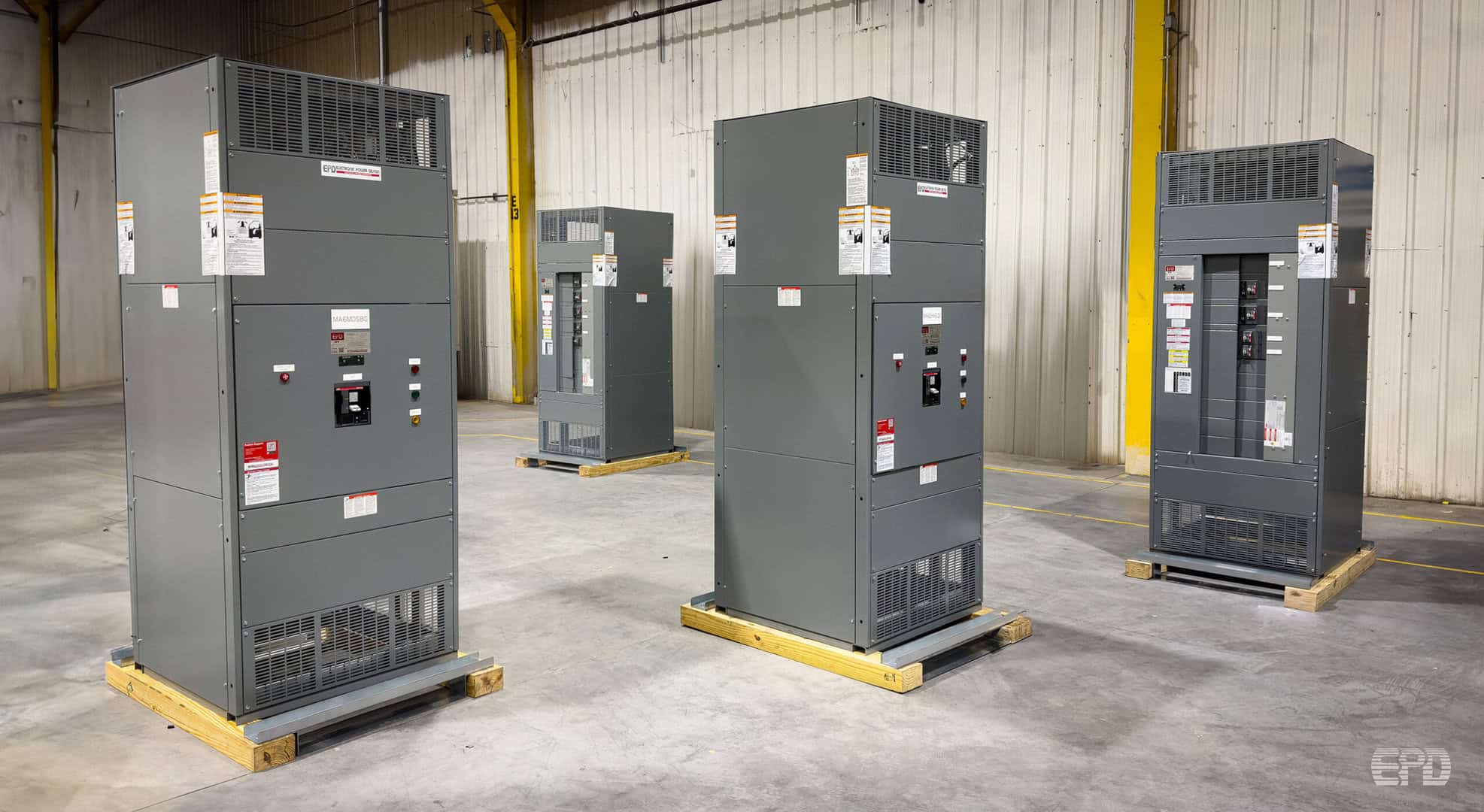
Electronic Power Design (EPD) brings more than 35 years of expertise in the design, development, and optimization of advanced energy and power distribution systems. The company has built a strong reputation for delivering solutions that ensure efficient electricity flow while minimizing power disturbances in critical environments.
EPD’s portfolio includes low-voltage switchboards, automation and control systems, variable frequency drives, and retrofit solutions, each engineered to meet the unique requirements of diverse industries. With a consistent focus on innovation, safety, and quality, EPD is recognized as a trusted provider of customized switchboard and power management solutions on a global scale.
Schneider Electric
France-based Schneider Electric has established itself as a global leader in energy management and automation solutions. They offer an extensive range of low-voltage switchboards trusted by hospitals and data centers worldwide for their high quality and reliability.
ABB Ltd.
Headquartered in Switzerland, ABB Ltd. offers a comprehensive range of electrical equipment, including innovative digital switchboards designed for high efficiency and safety. ABB’s Emax 2 circuit breakers exemplify their commitment to energy optimization and intelligent power management, helping clients reduce energy usage while maintaining robust protection.
Eaton Corporation
US-based Eaton Corporation balances sustainable energy solutions with high-performance switchboards. Their eco-friendly low voltage switchboards are designed to minimize carbon footprints without compromising operational safety or reliability. Eaton’s focus on sustainability aligns with the evolving demands of modern power distribution systems.
Siemens AG
Germany’s Siemens AG provides smart infrastructure solutions featuring versatile low-voltage switchboards equipped with advanced technology such as IoT connectivity. Siemens’ products are favored for fast delivery, scalability, and integration with automation and control panels, making them suitable for complex electrical infrastructures worldwide.
Each of these manufacturers brings a distinct blend of innovation, expertise, and product range, ensuring that clients can find switchboards tailored to their unique power system requirements.
Factors to Consider When Choosing a Switchboard Manufacturer
Selecting the right switchboard manufacturer is crucial for ensuring the longevity, safety, and efficiency of your electrical systems. Here are key factors to guide your decision:
Product Quality
High-quality materials and components such as circuit breakers, switchgear, and wiring are essential for durable switchboards. Manufacturers adhering to industry standards like those from the National Electrical Manufacturers Association (NEMA) typically deliver products with superior reliability and life expectancy.
Pricing and Cost-effectiveness
Cost is always a factor when selecting a switchboard manufacturer, but it should never outweigh quality and safety. Choosing a trusted partner for switchboard design and manufacturing can deliver long-term value by reducing maintenance expenses, improving energy efficiency, and preventing costly downtime.
For critical environments such as healthcare facilities, data centers, and commercial buildings, investing in reliable switchboards ensures uninterrupted operations and minimizes the financial risks associated with power failures.
Dedicated Customer Service
A reputable manufacturer offers ongoing support beyond the initial sale. This includes technical assistance, maintenance services, and prompt responses to client inquiries, ensuring smooth operation and quick resolution of any issues.
Fulfillment Speed
Timely delivery of switchboards is vital to avoid project delays. Manufacturers with efficient production and installation processes help clients meet tight schedules, which is particularly important in fast-paced construction or retrofit jobs.
Innovation and Technological Adaptation
Manufacturers that embrace the latest technology—such as automation, IoT integration, and smart control systems—can provide advanced solutions that enhance energy efficiency, safety, and system control.
Taking these factors into account will help you find a switchboard manufacturer that aligns with your project’s technical and budgetary requirements.
Technological Innovations in Switchboard Manufacturing
The switchboard manufacturing industry is rapidly evolving thanks to technological advancements that enhance efficiency, safety, and sustainability.
Automation Enhancing Efficiency
Automation technologies are transforming the way switchboards are manufactured by improving precision, reducing assembly times, and minimizing errors. With robotic and automated processes, manufacturers can scale production more efficiently while ensuring consistent quality across every unit. This not only accelerates delivery but also enhances the overall reliability of the finished switchboard systems.
Digitalization Taking Center Stage
Digital transformation is reshaping both the design and operation of modern switchboards. Advanced tools such as real-time data analytics and virtual testing improve quality control, reduce material waste, and streamline the production process. When integrated into switchboard systems, digital control platforms also give end users greater visibility into power usage, enabling smarter energy management and improved operational efficiency.
Sustainability Through Innovation
Innovations such as ABB’s Emax 2 circuit breakers incorporate intelligent algorithms to optimize power flow and reduce energy consumption. Sustainable manufacturing practices, including the use of eco-friendly materials and energy-efficient designs, contribute to lowering carbon footprints.
The Internet of Things (IoT) Changing the Game
The adoption of IoT technology is revolutionizing how switchboards are monitored and controlled. By enabling real-time visibility, IoT-equipped systems allow operators to track power distribution, identify inefficiencies, and detect potential faults before they result in costly downtime.
These smart capabilities not only improve system reliability but also enhance safety and energy efficiency across critical facilities. Modern IoT platforms demonstrate how connected switchboards can integrate seamlessly into broader energy management and building automation systems, giving organizations greater control over their electrical infrastructure.
Regulatory Standards for Switchboard Manufacturers
Compliance with regulatory standards is fundamental to ensuring the safety and reliability of switchboards.
The Role of UL Standards
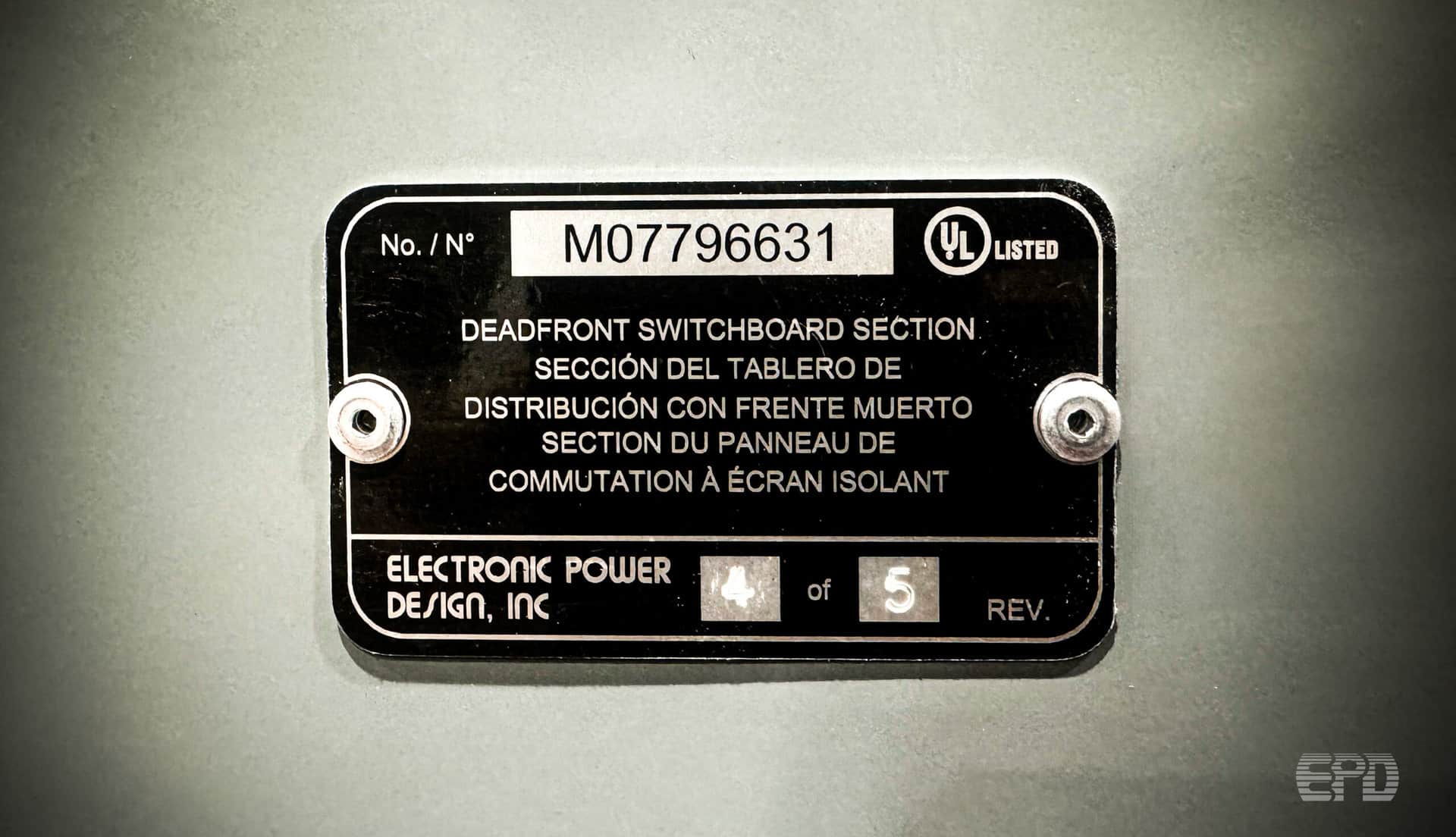
Underwriters Laboratories (UL) certification, particularly UL 891, governs the design and testing of dead-front switchboards. This standard ensures that energized parts are safely enclosed to protect operators and maintain operational safety.
NFPA 70: The National Electrical Code
The National Electrical Code (NEC), or NFPA 70, provides comprehensive guidelines for electrical installations, including switchboard manufacturing. Adhering to these codes helps prevent electrical hazards and ensures consistent safety practices.
Ongoing Compliance Is Key
Standards evolve with technological progress, so manufacturers must continuously update their products and processes to maintain compliance. Staying current with regulations protects clients and preserves the manufacturer’s reputation.
Impact of Sustainability on Switchboard Manufacturing
Sustainability has become a driving force in modern switchboard manufacturing, influencing everything from material selection to energy-efficient design. Manufacturers are prioritizing eco-friendly materials and production methods that reduce environmental impact while maintaining durability and performance.
This shift aligns with global initiatives to create greener electrical infrastructure, helping facilities lower their carbon footprint while ensuring reliable and future-ready power distribution systems.
Eco-Design: The Future of Sustainable Switchboards?
Eco-design principles incorporate life cycle thinking into product development, minimizing ecological footprints from production through disposal. This approach ensures that switchboards are both technologically advanced and environmentally responsible.
Energy Efficiency: A Key Player
Energy-efficient switchboards reduce wasted power and lower carbon emissions, benefiting both the environment and operational costs. According to the International Energy Agency, improvements in energy efficiency could save businesses up to $500 billion annually by 2040, highlighting the importance of sustainable power distribution solutions.
Future Trends in Switchboard Manufacturing
Looking ahead, several trends are shaping the future of switchboard manufacturing:
Increased Automation
Advancements in automation will continue to improve manufacturing speed and precision, reducing costs and enhancing product quality.
Digitalization
Digital tools will play a greater role in design, testing, and installation, enabling smarter, more efficient production workflows.
Sustainability
Eco-friendly materials and energy-saving technologies will become standard, reflecting growing environmental awareness.
Growth in Custom Solutions
Manufacturers will increasingly offer bespoke switchboards tailored to specific applications, recognizing that one size does not fit all.
Emergence of Smart Switchboards
Smart switchboards equipped with IoT capabilities will allow remote monitoring and control, improving system management and safety.
Challenges Faced by Switchboard Manufacturers
Despite these positive developments, manufacturers face several challenges:
- Market Competition: The industry is highly competitive, requiring continuous innovation to maintain market share.
- Evolving Technological Landscape: Rapid technological changes demand ongoing investment in expertise and equipment.
- Navigating Regulatory Compliance: Keeping up with complex and changing regulations can be resource-intensive.
- Sustainability Pressures: Transitioning to greener manufacturing processes requires significant commitment and resources.
Overcoming these challenges requires adaptability and a focus on innovation, which ultimately benefits clients and the industry as a whole.
Switchboard Manufacturing FAQs
Conclusion
Switchboard manufacturing is a sophisticated blend of engineering precision, technological innovation, and regulatory compliance. Leading manufacturers like Electronic Power Design, Schneider Electric, ABB Ltd., Eaton Corporation, and Siemens AG offer a diverse range of products designed to meet the evolving needs of power distribution systems across industries.
Selecting the right switchboard manufacturer requires evaluating critical factors such as product quality, cost-effectiveness, customer support, and technological expertise. With advances in automation, digitalization, and sustainable design, the industry is moving toward power systems that are not only more efficient and reliable but also environmentally responsible.
Although challenges such as regulatory compliance and intense market competition remain, they are driving continuous innovation and improvement. As demand grows for smart, customized, and sustainable switchboards, both manufacturers and clients can expect a future defined by advanced technology, enhanced performance, and expert engineering.
For assistance with your next switchboard project, contact Electronic Power Design to leverage decades of expertise and innovative solutions tailored to your specific power distribution needs.